
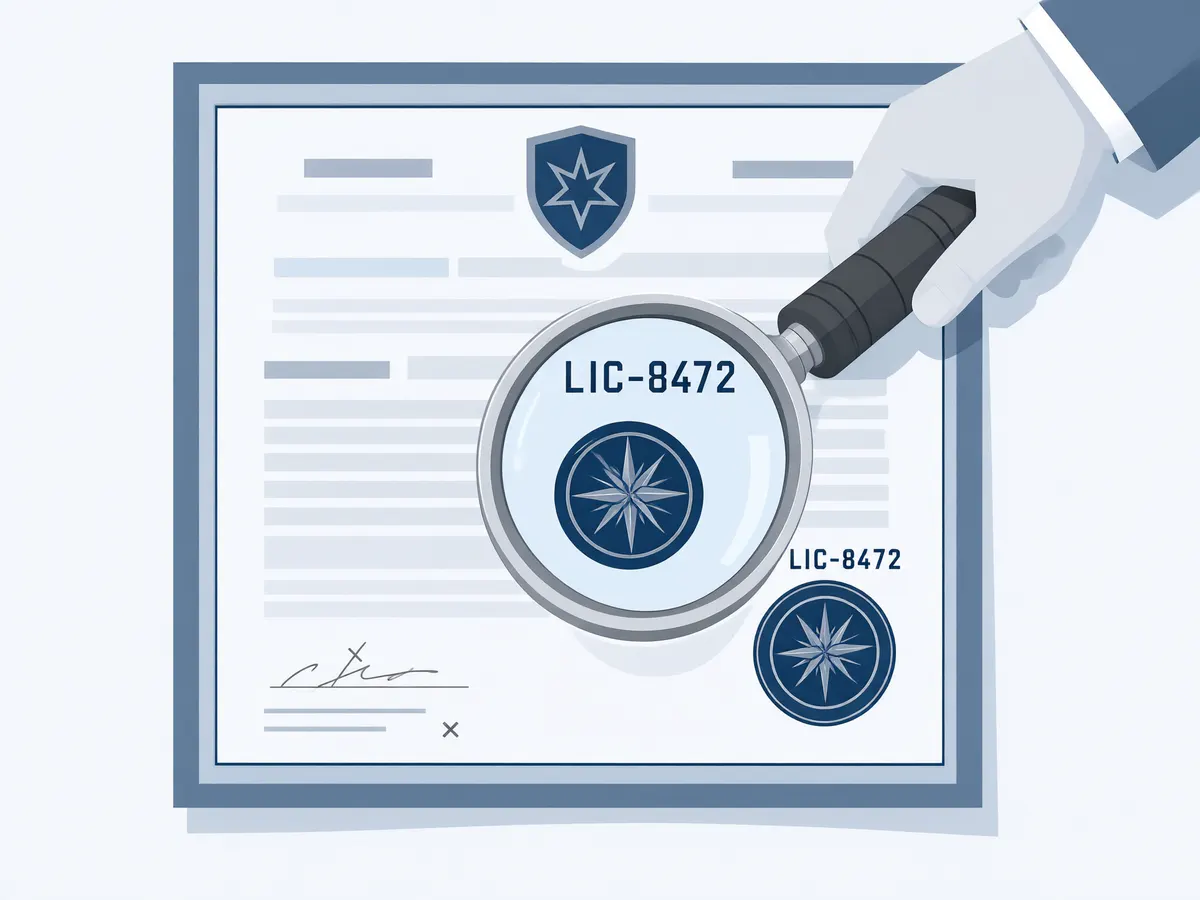
Before Pennsylvania’s regulator renewed one casino licence in October 2026, it read reports from four of its own departments, took evidence from the state police, and held two separate public hearings. That is what a renewal actually is: not a rubber stamp, but a second look at an operator that has now been running real money games for years. A renewed licence tells you the regulator reviewed the business recently and found nothing serious enough to stop it. It does not tell you the casino is well run, fair value, or a good place to play.
That is the gap worth understanding, and this is casino license renewal explained from the player’s side: what gets checked, what the paperwork proves, and where it stops proving anything at all.
The Pittsburgh renewal, in brief
The Pennsylvania Gaming Control Board unanimously renewed the Category 4 licence held by Stadium Casino Westmoreland RE LLC, operator of Live! Casino Pittsburgh, for a further five years, concluding the company had met the obligations attached to its existing licence. The review drew on submissions from the operator, the public, local government officials, community groups and the Pennsylvania State Police, plus internal reports from the board’s enforcement, investigation, casino compliance and responsible gambling departments. Since opening in November 2020, the venue has produced US$647m in gross revenue and US$314.7m in Pennsylvania tax, and it now runs 748 slot machines, 40 table games and a retail sportsbook with 569 staff. (Source: Focus Gaming News.)
Myth one: a licence is a one time stamp of approval
An initial licence proves an operator looked acceptable on paper before it took a single bet. A renewal proves the regulator came back after watching the business handle real customers, real cash and real complaints, and decided it could continue. Those are very different claims, and the second is the stronger one.
Think about what changes in five years. Ownership stakes get sold. Senior managers leave. Anti money laundering systems get patched, ignored, or outgrown. Complaint volumes rise. None of that is visible in a launch application. Renewal is the point where a regulator has a performance record to read instead of a business plan, which is exactly why a casino running on a lapsed, expired or never renewed licence is a meaningful warning sign rather than an administrative quirk.
One honest qualifier: not every jurisdiction uses fixed renewal dates. Some regulators issue operating licences with no set expiry and rely on annual fees, continuous reporting and compliance audits instead. The absence of a renewal certificate in those regimes does not mean nobody is checking. What matters is whether the licence is currently active on the regulator’s own register.
What regulators actually check before renewing
Renewal reviews cluster around four areas, and they are the same four whether the venue is a building in Westmoreland County or a website taking deposits by UPI.
Financial solvency and ownership
- Audited accounts and evidence the operator can cover player balances and pending withdrawals.
- Tax and fee payments made in full and on time.
- Fit and proper testing of owners, directors and key staff, including criminal record and source of funds checks. Anyone who has acquired a controlling stake since the last review usually has to qualify from scratch.
- Disclosure of corporate restructuring, new parent companies or undisclosed beneficial owners.
Game fairness and technical testing
- RNG certification from an accredited independent test house, confirming outcomes are random and independent of previous rounds.
- Verification that advertised RTP matches the certified maths of the game as deployed, not just as submitted.
- Checks that software versions on the live floor or server match the approved builds.
- For live dealer and table games, procedural audits of shuffling, card handling and equipment.
Anti money laundering controls
- KYC procedures and whether identity checks actually happen before large payouts, not after a complaint.
- Transaction monitoring, suspicious activity reporting and record keeping.
- Staff training records and the results of the regulator’s own test transactions or inspections.
Player protection and complaints handling
- Whether self exclusion requests were honoured, including across linked brands.
- Complaint logs, response times and outcomes of any disputes escalated to the regulator.
- Advertising and bonus terms reviewed for misleading claims.
What happens when a renewal is not clean
Regulators rarely jump straight to closure. The usual ladder runs from conditions attached to the licence, through financial penalties, to suspension and finally revocation, and most enforcement action stops well before the last step. A conditional renewal typically means the operator keeps trading while fixing a named problem under a deadline and extra reporting.
What I cannot give you is a reliable figure for how often renewals are refused outright, because regulators publish enforcement notices and licence registers rather than renewal approval rates, and the comparison would not survive being pooled across jurisdictions anyway. Treat anyone quoting a precise global percentage with suspicion. The practical point stands regardless: a venue cannot legally accept bets without a valid licence, so a genuine denial or suspension ends the business in that market.
Myth two: “licensed” means the same thing everywhere
It does not, and this is where most players get caught. A licence from a regulator with an enforcement record, a public register and a complaints route is a different product from a licence issued by a body you cannot find a single penalty notice from.
| Regulator | Scope | What the licence generally indicates |
|---|---|---|
| US state boards (e.g. Pennsylvania Gaming Control Board) | Land based and online gambling within one state | Detailed vetting of owners and finances, public hearings, periodic renewal, state level enforcement |
| UK Gambling Commission | Operators serving Great Britain | Strict responsible gambling and advertising rules, public register, regular published enforcement action |
| Malta Gaming Authority | EU based online operators | Established framework, public licensee register, technical and AML requirements |
| Curaçao | Widely used offshore online licence | Historically a light touch model with sublicensed operators; the regime has been reformed towards direct licensing, so check the current status of the specific licence |
A Curaçao licence is not automatically worthless, and a UK licence does not make an operator generous. The difference is leverage: if something goes wrong with your withdrawal, how likely is anyone to make the operator answer for it?
How to verify a licensed casino yourself
Four steps, five minutes, and it works for online operators as well as venues.
- Find the licence number and the named licence holder in the site footer or the venue’s posted certificate. A brand name alone is not enough; you want the legal entity, which is often different from the casino’s trading name.
- Open the regulator’s own public register directly, by typing the regulator’s domain yourself rather than clicking the site’s badge. Search the licence number and confirm the status reads active, not surrendered, suspended or lapsed.
- Check that the domain you are playing on is listed against that licence. Many regulators publish the approved URLs; a clone site on a near identical domain will not appear.
- Look for independent testing seals such as eCOGRA or iTech Labs, and click through to the certificate. A static image that links nowhere proves nothing.
If the register and the footer disagree, believe the register.
Red flags worth walking away from
- No licence number anywhere on the site, only the word “licensed” or a generic seal.
- A licence number that returns no result, or returns a different company, on the regulator’s register.
- A licence listed as expired, surrendered or under suspension while the site keeps taking deposits.
- Your playing domain missing from the operator’s approved URLs.
- A “regulator” with no searchable register and no published enforcement decisions.
- Terms that cap withdrawals so tightly, or impose KYC demands so late, that the licence protection never gets tested until your money is already stuck.
What renewal buys you, and what it does not
A current, renewed licence is the clearest paper trail a player can check without insider access. It means someone with subpoena power looked at the books, the owners, the game maths and the complaints file within a defined period, and let the operator carry on. It does not mean the bonus terms are reasonable, the RTPs are competitive, or that the house edge has gone anywhere. It never does.
So use the register as a filter, not a recommendation. Verify the licence first, read the withdrawal terms second, and set deposit or loss limits before you play rather than after a bad session. If gambling has stopped being entertainment, self exclusion and cool off tools exist at every properly regulated operator, and support services are available in most jurisdictions. The one thing no licence renewal can audit is how much you were prepared to lose.