The Cyprus deal, and what it actually says
Bet on Alfa has been taking bets in Cyprus since 2010, and Campeón Gaming had never signed a B2B deal in that market until this one. iGaming B2B partnerships are contracts where one company supplies technology or games to another company that runs the brand players actually see and deposit into. The Campeón Gaming and Bet on Alfa agreement is a tidy example of exactly that, and a useful lesson in reading these announcements properly.
Here is what the G3 Newswire report confirms, and nothing beyond it. Campeón Gaming will provide the technology platform powering Bet on Alfa’s online operations. It is described as Campeón Gaming’s first B2B partnership in the Cypriot market and part of its expansion across regulated markets. Bet on Alfa was founded in Nicosia in 2009, has been operational since 2010, and is an established Cypriot sports betting operator. No commercial terms, revenue splits, or launch dates were published, so treat anything you read about those elsewhere as speculation.
Notice the word that carries the weight: platform. That is not the same thing as a game content deal, and the difference changes what you should expect to see on the site.
Supplier, operator, and why the labels matter
A B2B partnership in iGaming sits between two businesses: a supplier (a game studio, aggregator, or platform provider) and an operator (the licensed company holding the player accounts). The operator takes your deposit, handles KYC, pays withdrawals, and answers to a regulator. The supplier never touches your money; it rents out software. A B2C relationship, by contrast, is the one you have directly with the operator when you open an account.
That split explains a lot of what confuses players. When a slot misbehaves, the studio built it but the operator owes you the resolution. When a withdrawal stalls, the platform provider processes the transaction technically, but the licensed operator is accountable for it. Supplier logos in the footer tell you who built the furniture. They do not tell you who is liable if the house burns down.
Not all B2B deals do the same job, and the announcements rarely spell it out:
| Type of deal | What the supplier provides | What you notice as a player |
|---|---|---|
| Platform / PAM | Account management, wallet, bonus engine, reporting, the site itself | How the site feels: speed, login, cashier, bonus tracking |
| Game studio content | Specific titles from one developer | New games appear under that studio’s name |
| Aggregator | One integration carrying dozens of studios’ libraries | Large jumps in catalogue size, cross-studio content in one lobby |
| White-label | Platform plus licence and often payments, under a new brand name | A brand that looks independent but shares plumbing with others |
Campeón Gaming’s role here, per the source, is the platform one. If you were expecting a flood of new slots to land in Cyprus because of it, you were reading the wrong column.
How B2B tie-ups decide which games you can actually play
Game variety on a casino platform is a direct function of how many content integrations the operator has paid for. Every studio’s library arrives through an API connection, and each connection costs engineering time, certification, and commercial negotiation. That is why aggregators exist: one integration gives an operator access to many studios at once, which is how a mid-sized brand can list thousands of titles without building a thousand connections.
So the practical rule holds. More B2B content deals usually mean a broader, more varied lobby, with a wider spread of volatility profiles, mechanics, and RTP ranges to choose from. A platform deal like this one matters a step earlier in the chain: b2b casino technology of that kind determines what the operator is *able* to integrate later, how quickly, and whether the bonus and reporting systems can handle it. It builds the shelving before anyone stocks it.
What it does not do is improve your odds. A 96% RTP slot returns the same long-run average whichever platform serves it, and the house edge travels with the game, not the integration. Breadth is a choice benefit, not a value benefit.
Licensing and jurisdiction: read the register, not the press release
The licence behind an operator, not the supplier behind the software, determines your protections. A regulator sets the rules on segregated player funds, complaint handling, advertising, bonus terms, and responsible-gambling tools, and those obligations attach to the licensed operator in that jurisdiction. Change the jurisdiction and you change the whole package.
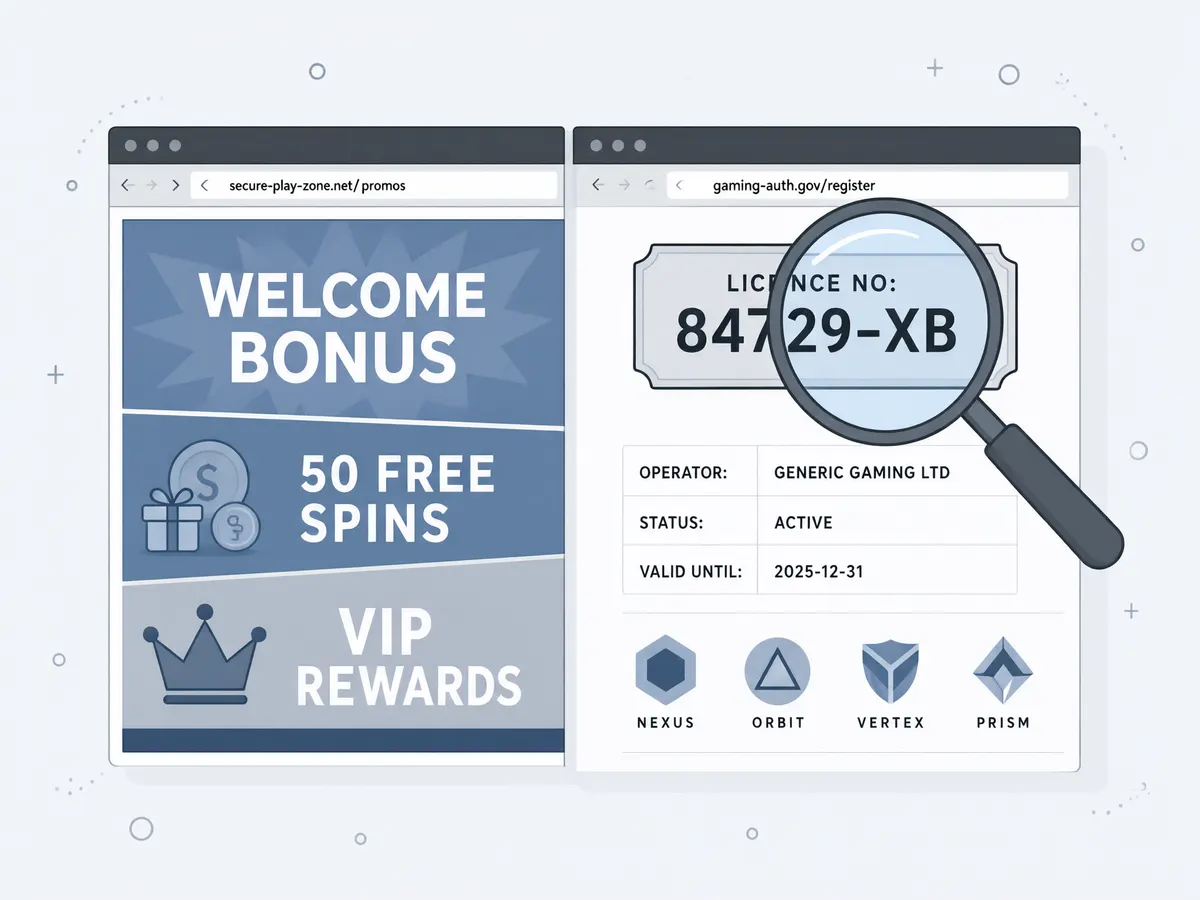
Cyprus is a worked example of why you should check rather than assume. Betting there is regulated nationally, and the scope of what may be offered online differs from the Malta or UK frameworks many players are used to. Before you treat any Cypriot or other EU-facing brand as fully licensed for the product you want to play, look it up on the regulator’s own public register and confirm the licence class covers that product. Neither the supplier’s announcement nor an article about it, including this one, is evidence of a current licence.
Here is the honest limit of the Campeón Gaming story: it is described as part of an expansion across regulated markets, which is a reasonable signal that the supplier is building for compliance-heavy environments. It is not, on its own, confirmation of any specific licensing status. Verify, then play.
A five-step check before you deposit anywhere
Run this on any platform, not just one in the news. It takes about ten minutes and it filters out most of the brands that will waste your time.
- Find the licence number in the footer, then search that number on the regulator’s register. If the number is missing, unsearchable, or the register entry names a different company, stop there.
- Check the named content partners. Real studios and aggregators are identifiable companies with their own sites and press. Generic “200+ providers” claims with no names are worth nothing.
- Look for independent testing. RNG certification from a recognised lab means the random number generator has been audited and that past spins do not influence future ones. Certificates should be viewable, not merely mentioned.
- Read the bonus terms before the bonus. Wagering requirements are where offers live or die: a 30x requirement on a 10,000 unit bonus means 300,000 wagered before withdrawal, and max-bet caps plus game weighting decide how realistic that is.
- Open the responsible-gambling page. Deposit limits, loss limits, session reminders, cool-off, and self-exclusion should be present, easy to set, and not buried behind support. A platform that makes limits hard to find has told you something about its priorities.
Checking a platform’s licence
Match three things: the licence number, the company name on the licence, and the company name in the terms and conditions. Mismatches between those three are the most common tell on recycled white-label sites.
Verifying content partners
Click through a few games and read the provider credit in the game info screen. Platform supply, studio content, and aggregator feeds all show up differently there, and it is the quickest way to see whether a lobby is genuinely broad or the same handful of studios renamed.
Spotting responsible-gambling features
Set a deposit limit before your first deposit rather than after a bad session. Tools you configure while calm are the ones that still work when you are not.
Why supplier-operator deals keep multiplying
Suppliers sign regional operators because distribution scales faster than brand building. A platform provider that wins one established operator in Cyprus inherits that operator’s market knowledge, customer base, and local relationships, which costs far less than launching a B2C brand into a market where someone has been trading since 2010. Operators take the same trade from the other side: buying proven technology beats building a compliance-grade platform from scratch.
Multiply that logic across every newly regulated or re-regulated market and you get the pattern visible in trade press every week. Each casino platform partnership is a supplier buying a regional foothold and an operator buying time, which is roughly what market maturity looks like from the inside: fewer companies trying to do everything, more specialising and licensing to each other.
Where this leaves you
Two readings of a deal like this are defensible. One says supplier partnerships are a real credibility marker, because providers selling into regulated markets vet their counterparties and operators investing in platform technology are committing to compliance infrastructure. The other says they are trade marketing that has no bearing on whether your withdrawal clears. The first reading is not stupid, and there is something in it.
I would still weight it second. Treat named, verifiable B2B partners as corroboration that arrives after the licence check, never instead of it. The licence tells you who is accountable; the partnerships tell you what you will find to play and how competently it will run. What the Campeón Gaming and Bet on Alfa announcement genuinely leaves open is the part players care about most: how the platform performs once it is live, under real traffic, with real cashouts. Nobody can answer that from a press release, and anyone claiming to is selling something.