
The myth that casinos hand-pick every game in the lobby
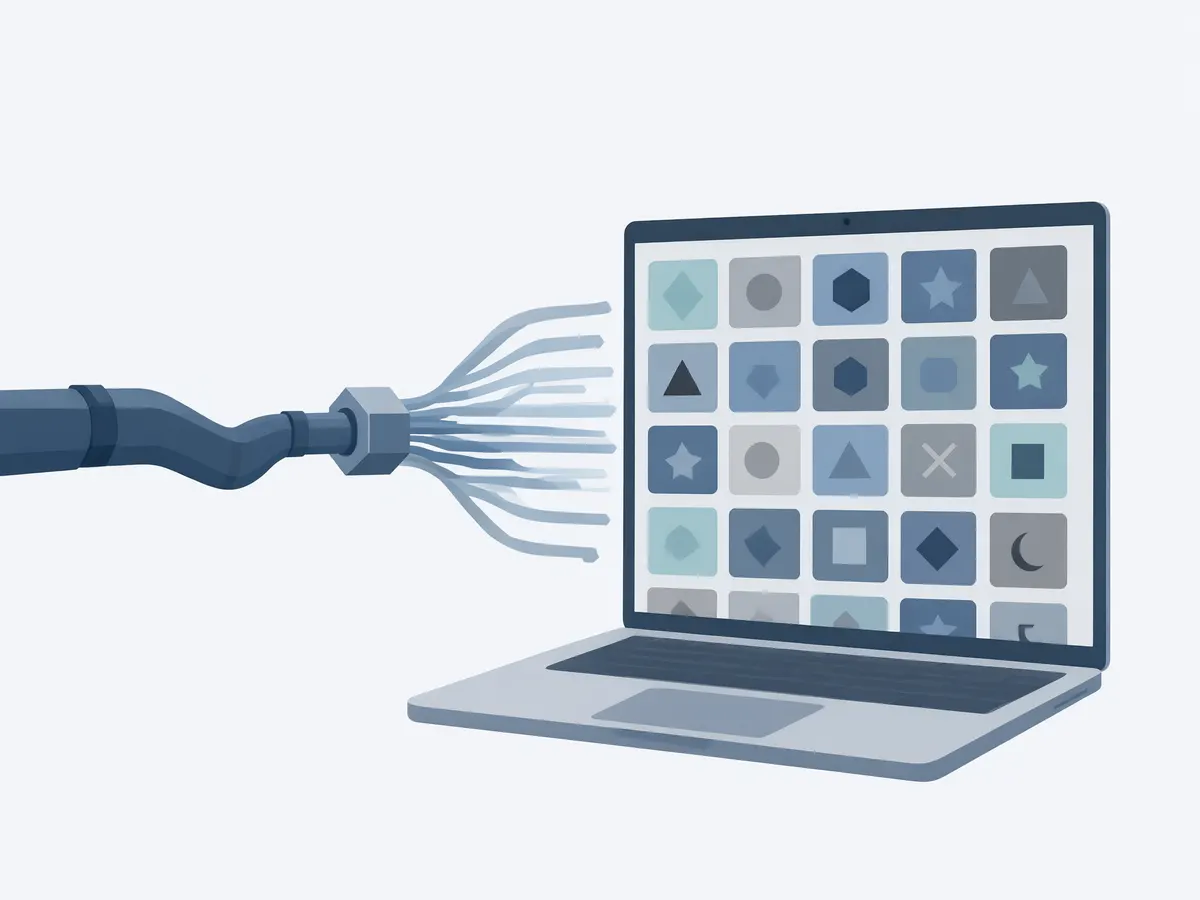
No online casino sits down with forty separate studios to assemble the three thousand games in its lobby. It signs with one or two suppliers, and a few hundred titles arrive down a single technical pipe. That is the whole business of igaming content aggregator partnerships: one platform bundles games from many studios and distributes them to operators through one integration, which is why casino libraries grow and refresh far faster than any individual casino could manage alone.
The partnership ICONIC21 announced with platform provider Adwa in October 2026, reported by Focus Gaming News, is a plain example of the arrangement. Nothing about it is unusual. That is exactly why it is worth walking through, because the mechanics behind it explain something players routinely misread: a big, fast-moving game library tells you about a casino’s supply contracts, and almost nothing about how fair, licensed, or well-run that casino is.
What a content aggregator is, in plain terms
A content aggregator in iGaming is a company that collects games from multiple studios and delivers them to casino operators through a single integration. Instead of an operator building a separate technical connection, contract and reporting feed for every studio, it connects once to the aggregator and gains access to that aggregator’s entire catalogue.
Think of it as wholesale distribution. The studio makes the game. The aggregator or platform carries it. The casino sells the experience to you. The three roles often blur, since several companies do two of them at once, and that blurring is part of why the press releases are so hard to read.
Inside the ICONIC21-Adwa deal, and what it does not say
Who the two companies are
Focus Gaming News describes Adwa, also known as Advabet, as a bespoke igaming platform provider. ICONIC21 is on the content side of the arrangement, distributing a gaming portfolio that includes titles from other studios rather than only its own. Alina Mihaela Popa is named as ICONIC21’s CCO and Igor Drobaha as head of casino at Adwa.
That is the extent of what the source confirms about either company’s role. I am not going to characterise either as a market leader, a top supplier, or anything else, because the announcement does not support it and neither do I have independent data on their size.
What the partnership covers
The agreement covers major gaming verticals: slots, virtual titles and live casino products, including flagship games from Gravity Games and the virtual title iDealer Blackjack. The rollout begins across Adwa’s own B2C brands, then extends to its wider B2B ecosystem, meaning the operators that run on Adwa’s platform.
That two-stage sequence is the interesting part for a player. Content lands first on the platform owner’s own consumer brands, and only afterwards reaches the third-party casinos it powers. Which means two casinos can both “use Adwa” and show noticeably different libraries for a period.
Where the evidence stops
The announcement gives no game count, no market list, no revenue terms and no date for the B2B phase. I could estimate “hundreds of titles” and it would sound credible, but it would be a number I made up. If you see a figure attached to this deal anywhere, including here, check it against the original release before repeating it.
Why one integration multiplies the games you see
Online casino game variety expands through aggregators because the cost of adding a studio collapses from “a full integration project” to “switch on the games you want”. Each direct studio integration involves technical work, certification checks per market, a commercial contract and ongoing reporting. Multiply that by thirty studios and a mid-sized operator simply cannot do it.
Connect once to an aggregator or platform carrying those thirty studios and the arithmetic flips. One contract, one integration, one reporting feed. This is why a modest casino brand you have never heard of can show you slots, virtual games, live dealer tables and regional card games side by side. It did not source them. It subscribed to them.
The flip side is worth naming: lobbies start to look identical. If three unrelated casinos all pull from the same supply chain, you are choosing between near-identical catalogues with different colour schemes. Variety at the industry level does not always mean variety at the point where you actually sit down to play.
The release-day effect on slot portfolio expansion
A new slot can appear at dozens of casinos the week it launches because the aggregator pushes it once and every connected operator can enable it immediately. The game does not need a fresh integration anywhere. It needs a toggle.
Before aggregation became standard, a studio’s new title reached each operator only as fast as that operator’s development queue allowed, which could be months. Now slot portfolio expansion runs through a distribution pipeline, and the lag between release and availability shrinks to whatever the operator’s content team decides.
Does a bigger library mean better odds? No
Game variety and release speed change what is on the menu, not the mathematics of any dish on it. A slot’s RTP, volatility and hit frequency are set by the studio that built it and verified by the testing lab that certified it. The distribution route, whether direct, via an aggregator or via a platform provider, does not touch those numbers.
There is one nuance that does matter, and it is not about library size. Many slot titles ship in more than one RTP configuration, and the operator chooses which version to run. The same game name can therefore carry a different return figure at two different casinos. The game’s own information panel or paytable shows the configured RTP, and that panel is worth opening before you spin, regardless of how many thousands of titles the lobby claims.
So the cost of the myth is concrete. If you pick a casino because it has 4,000 games rather than 1,500, you have ranked it on a supply contract. Licence, withdrawal terms, bonus wagering requirements and the actual configured RTP of the game you intend to play are the things that affect what happens to your money. Library size affects none of them, and over time the house edge built into every title applies whichever route that title travelled to reach you.
Signs an aggregator is behind the lobby
You can usually tell without reading a single press release. These are observations, not recommendations, and none of them says anything about whether a given casino is a good one:
- Dozens of different studio names and logos sit in one lobby, including small studios you would not expect a single operator to have courted.
- Filtering and categorisation look oddly similar across casinos that have no corporate relationship, because the lobby taxonomy comes from the supplier.
- Each game’s info panel names its own provider and certification details separately from the casino’s own licensing footer.
- New releases from unrelated studios appear in the same week, in the same “new games” shelf, in the same order.
What this tells you is where the games came from. It does not tell you who holds the casino’s licence, which regulator you would complain to, or how long a withdrawal takes. Those are separate checks, and the lobby will not answer them.
Keep the supply story in its place
More games arriving faster is a story about B2B contracts and integration costs. It is not a reason to play more, play longer, or try something new because it is new. If anything, a lobby that refreshes weekly makes it easier to lose track of what you have actually spent.
Set a deposit or loss limit before the library tempts you into exploring it, check that the operator holds a licence in a jurisdiction you can actually appeal to, and open the paytable on any unfamiliar title. If play stops feeling like entertainment, use the cool-off and self-exclusion tools; they are available at every licensed operator, no matter how many games it carries. Gambling is for over-18s only.