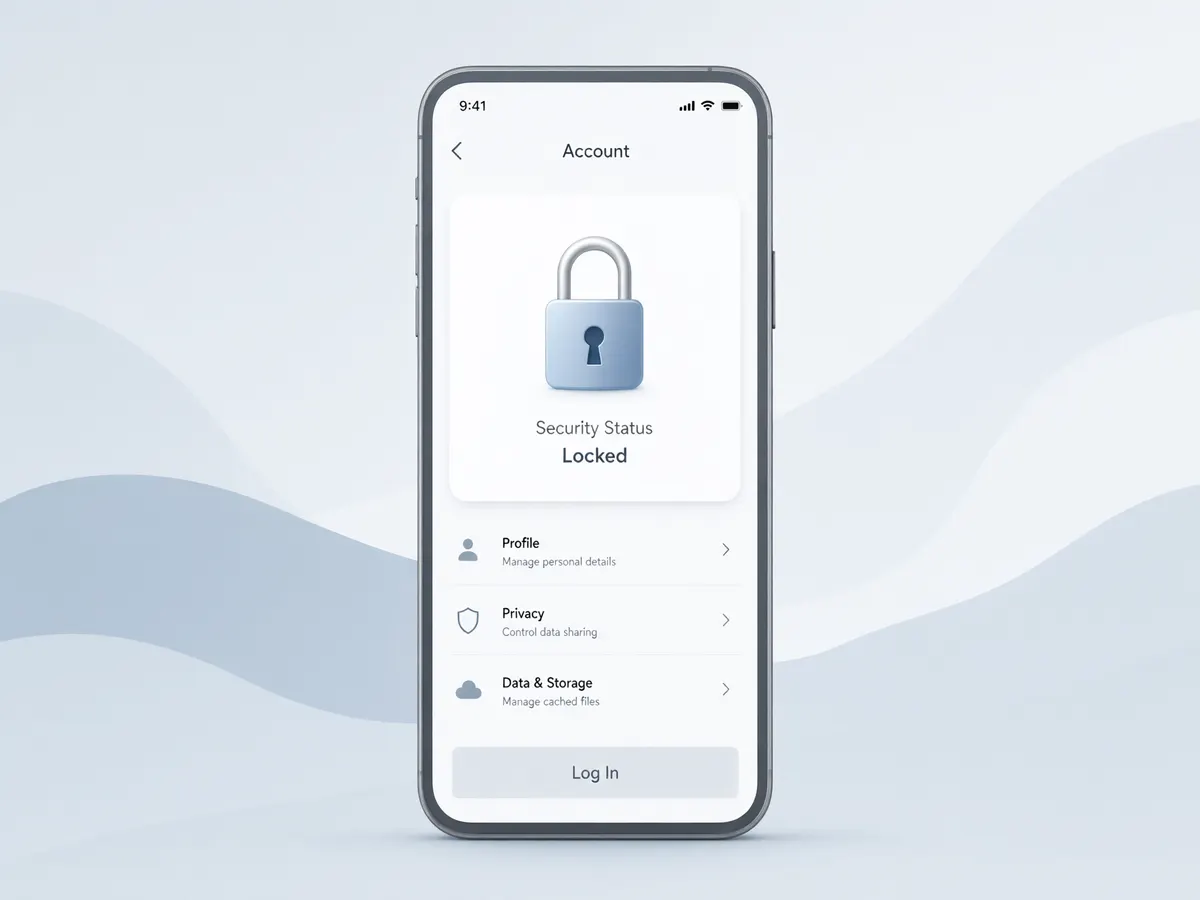
It’s the end of a session you didn’t plan, you’re in the account settings page, and three options are sitting there: deposit limit, time-out, self-exclude. You tap the third one. Here’s the part nobody explains clearly: self-exclusion is a voluntary, binding request that shuts you out of your own gambling account for a fixed minimum period, and the operator is obliged to enforce it and stop marketing to you. Self exclusion casino tools only work as protection when you know three things before you confirm: how long it lasts, which accounts it actually covers, and what it takes to undo. When any of those are left vague, the tool stops being a safeguard and becomes a pause button.
That vagueness is not hypothetical. Research published by Casino.net’s Research Lab examined 903 self-exclusion listings across 540 casino brands in 64 markets, and found only 409 of them recorded an exclusion period. Great Britain topped the table, with 117 of 132 listings (88.6%) stating a duration, the highest among the 31 markets that had at least ten listings.
The misreading that costs players the most
“Fewer than half specify a duration” does not mean half of online casinos have no working self-exclusion. The researchers were explicit about that distinction: the duration was missing from the documented information they examined, not necessarily from the operator’s actual process. Plenty of those brands run perfectly functional exclusions and simply don’t publish the terms where a player can find them.
The cost lands on you anyway. If you can’t see the term, you’ll assume one. Most people assume long: a year, maybe indefinite. Then the account quietly reopens after 30 days, an email arrives, and the protection you thought you’d bought yourself was never there. The inverse happens too, where players avoid self-exclusion entirely because they fear it’s permanent and irreversible, and settle for a weak deposit limit instead. Both failures come from the same missing sentence on a help page.
What self-exclusion actually locks, and what it leaves open
A self-exclusion scheme closes or suspends your account for a stated minimum term, blocks new deposits and wagers, removes you from promotional lists, and refuses reinstatement until the term expires and you formally ask for it back. What it generally does not do is cover brands you haven’t excluded from, unless you’re in a market with a multi-operator registry.
Self-exclusion vs cooling-off period vs deposit limits
These three get conflated constantly, and they protect against different things. Durations below are the common ranges you’ll meet; always read the specific operator’s terms, because they vary.
| Tool | What it restricts | Typical length | Can you undo it early? |
|---|---|---|---|
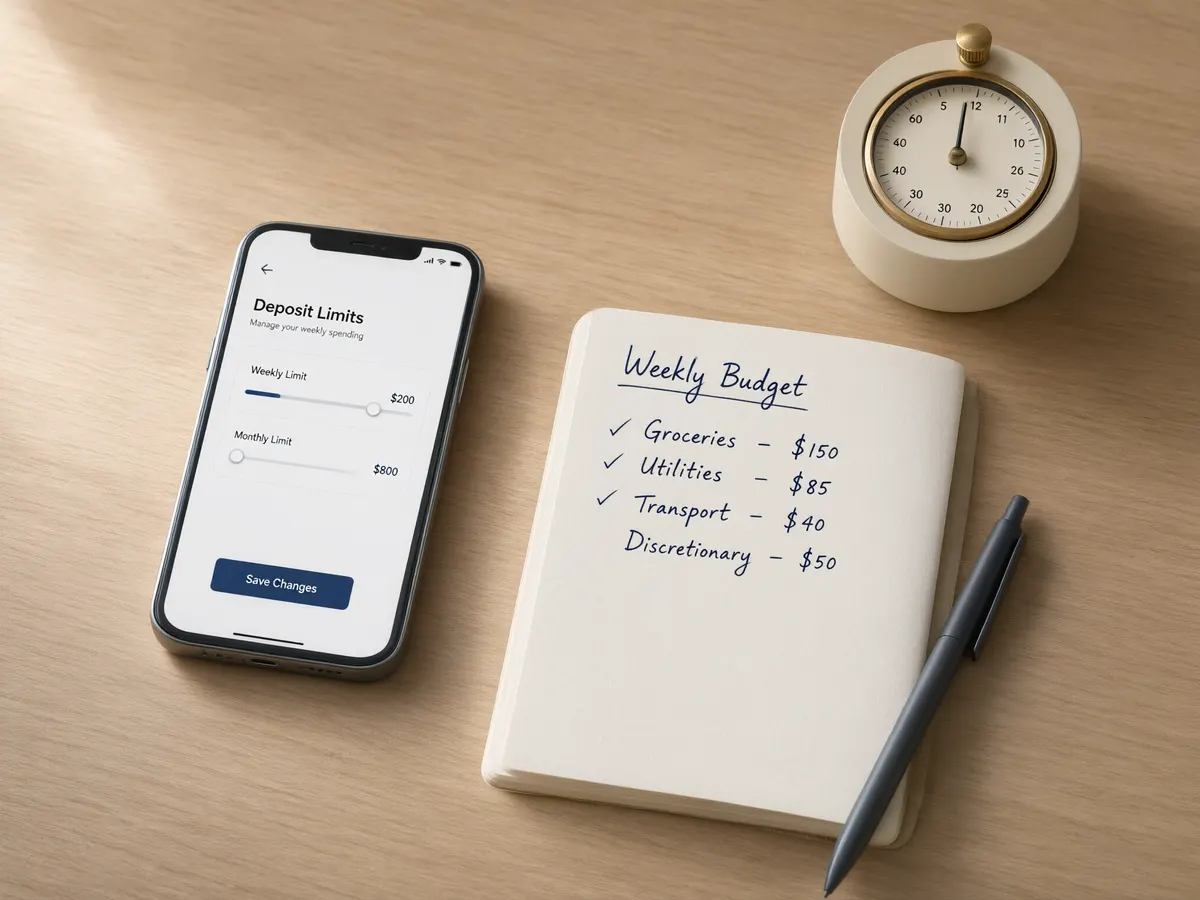
| Deposit or loss limit | How much you can fund or lose, not access to the account | Daily, weekly or monthly, running until changed | Reductions usually apply at once; increases normally take effect only after a waiting period |
| Time-out / cooling off period | Wagering for a short break; the account itself stays open | Usually 24 hours to a few weeks | Often not before it expires, but it lifts automatically at the end |
| Self-exclusion (single operator) | Access to that brand, and sometimes others on the same licence or network | Commonly six months to five years; some operators offer permanent | No. Reinstatement requires a request after the term, plus a further waiting period |
| Multi-operator exclusion (e.g. GAMSTOP in Great Britain) | All online operators licensed in that market | Six months, one year or five years | No. It continues past the minimum until you actively ask to be removed |
A deposit limit assumes you’ll still log in and play, just less. Self-exclusion assumes the opposite: that the safest version of the account is a closed one. Choose accordingly, and don’t treat a time-out as a substitute if what you want is a hard stop.
The four ambiguities that break the tool
Problem gambling prevention depends on a player being able to predict exactly what happens after they click. These are the gaps that undermine that, and they show up repeatedly in operator help centres.
- No stated duration, or a vague “for a period of your choosing” with no tiers listed, so you can’t tell whether you’re buying a month or a year.
- Unclear scope. One brand, or every brand under the same operating company? Casino only, or sportsbook and poker too? A group running eight sites on one licence may or may not apply your request across all of them.
- Reinstatement that’s too easy or too opaque. If a support chat can switch the account back on the same evening, the exclusion was decorative. If nobody tells you what reinstatement involves, you may never try, which sounds protective but leaves the decision unmade.
- Inconsistent enforcement. Account access blocked but marketing emails still arriving, or a new account accepted under a slightly different name or a second email address.
The checklist a well-built scheme passes
Before you rely on self exclusion casino tools at any site, look for all of the following in writing. If two or more are missing, treat the protection as partial.
- Fixed duration tiers, named on the page, with the minimum term stated.
- Explicit scope: which brands, which products, and whether sister sites are included.
- Identity verification tied to the request, so a new account under a variant of your details is caught.
- No same-day reversal. A documented reinstatement route with a cooling-off delay built in.
- Automatic removal from marketing, including SMS, push notifications and affiliate mailing lists.
- A named route into the market’s multi-operator registry, where one exists.
- Confirmation sent to you in writing, with the end date spelled out.
Setting it up without leaving a back door open
- Find it under Account, Settings, or Responsible Gambling, usually alongside deposit limits and reality checks. If it isn’t there, ask live support directly and ask them to send the terms by email rather than quoting them in chat.
- Pick the longest duration you’d be comfortable with on your worst day, not your calmest one. Six months is the usual floor for a reason: a 48-hour time-out rarely interrupts a pattern.
- Confirm the scope in that same message. Ask, in plain words, whether the exclusion covers the operator’s other brands.
- Complete any identity verification they request. This is what makes the block stick when you try to open a second account.
- Opt out of marketing separately. Exclusion is supposed to trigger this automatically, but check your email preference centre and unsubscribe manually too.
- Save the confirmation and the end date. If you only do one thing on this list, do this one, because it’s your evidence if the account reopens early.
- Withdraw any remaining balance first, or ask how the operator returns it. Some close the account and refund; some require the request before closure.
What happens if you try to log back in during exclusion
A properly enforced exclusion rejects the login outright, typically with a message confirming the account is self-excluded and the date it ends. You can’t deposit, can’t wager, and support cannot override it. Where enforcement is weak, you may get in and find play still possible, and that is a serious failure worth reporting to the site’s licensing authority. Attempting to open a fresh account elsewhere is the real breach risk, and it’s the gap a single-operator exclusion can’t close.
Why “just self-exclude” is weaker advice in India
India has no centralised, cross-operator self-exclusion registry comparable to GAMSTOP. Gambling law here is fragmented across state legislation and the licensing of sites you reach is handled offshore, so exclusion is set per operator, on each platform, one at a time. Worth verifying against a current regulatory source before you rely on it, since the policy picture in India has been moving.
Practically, that means the standard advice stops working at the brand boundary. Excluding from one casino does nothing about the other four apps on your phone. So list every account you hold, exclude from each individually, and keep the confirmations together. Pair that with device-level blocking software and, if your bank or UPI app supports merchant blocks, use them, because a payment block is operator-agnostic in a way your exclusion isn’t. Checking a site’s licence and whether it documents its player protection policies is also a reasonable proxy for whether it will enforce an exclusion at all.
The tools that cover self-exclusion’s blind spots
Self-exclusion is a hard stop, which makes it excellent at one thing and useless at everything before that point. The other responsible gambling tools handle the middle ground. Deposit and loss limits cap exposure while you’re still playing. Reality checks interrupt the session with elapsed time and net position, which matters because losing track of time is one of the earliest signals that a session has stopped being recreational. A gambling self-assessment questionnaire, the kind most licensed operators link from their RG page, gives you something closer to an objective read than your own recollection of last month.
Use them as a sequence rather than alternatives: limits and reality checks first, exclusion when limits stop holding.
When the tool isn’t the answer
Self-exclusion manages access. It doesn’t treat the reasons behind the access. If you’re chasing losses, borrowing to play, hiding the amount you spend, gambling to escape stress, or finding that excluding from one site simply moved the activity to another, that’s the point to involve someone outside the account settings page.
In India, the Ministry of Health’s national tele-mental health service, Tele-MANAS, is reachable on 14416 and offers free, confidential support. Gamblers Anonymous runs peer meetings, including groups in several Indian cities. Many licensed operators also list a problem gambling helpline on their RG pages; check the number against the organisation’s own site before you call.
None of this requires you to label yourself anything. Self-exclusion is a practical instrument, and the only thing it asks of you is that you read the terms before you use it. The uncomfortable part is that, right now, whether those terms are readable at all still depends largely on which market your chosen operator happens to be documented in. Until that evens out, the end date in your confirmation email is the only version of the rule you can actually hold anyone to.